The Essential Guide to Shale Stabilizer in the Oil and Gas Industry
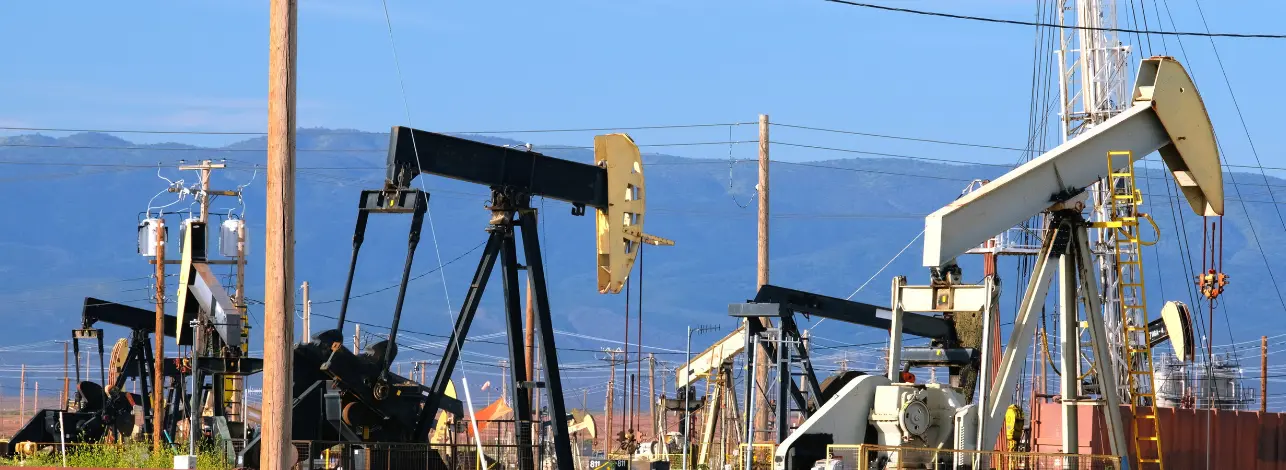
Shale formations, with their unique geological properties, represent both a vast resource and a significant challenge in the modern oil and gas industry. These formations are often rich in hydrocarbons, yet their high clay content and reactivity to water-based drilling fluids can lead to severe wellbore instability, fluid loss, and project-threatening collapses.
The financial and operational risks are substantial, making proactive measures not just prudent, but essential. Shale stabilizers have emerged as the cornerstone of this proactive approach, a vital chemical additive that mitigates these risks, ensuring smoother, more efficient, and more cost-effective drilling operations.
This guide delves into the fundamental science behind shale instability and explains how these critical chemical additives work to maintain wellbore integrity in the most challenging environments.
What Are Shale Stabilizers?
Shale stabilizers are a class of chemical additives used in drilling fluids, specifically designed to prevent the detrimental effects that water can have on reactive shale formations.
Their core purpose is to maintain the mechanical integrity of the wellbore, which is the drilled hole in the ground. When drilling through shale, water in the drilling fluid can be absorbed by clay minerals, causing them to swell and leading to wellbore instability, which can manifest as hole collapse, stuck pipe or excessive torque and drag.
The functions of shale stabilizers are multi-faceted and work in concert to protect the wellbore.
- Firstly, they provide crucial filtration control. By creating a thin, impermeable filter cake on the wellbore wall, these additives regulate the loss of fluid and solid particles from the drilling fluid into the formation, a process known as fluid loss control. This is vital for maintaining hydraulic pressure and preventing the fluid from weakening the shale structure.
- Secondly, stabilizers offer enhanced lubrication. This reduces the friction between the drill string and the wellbore, which is a common issue in tight, reactive shale formations. By minimizing torque and drag, the additives improve drilling efficiency and reduce the wear on expensive equipment.
- Thirdly, they are masterful at water absorption inhibition. This is arguably their most critical function. Shale stabilizers work by coating the individual clay particles within the shale, creating a protective barrier that physically blocks water from entering and causing hydration. This is particularly effective against highly reactive clay minerals like montmorillonite.
- Finally, many advanced formulations engage in chemical bonding at a molecular level. These stabilizers interact with the surface of the shale’s clay particles to form strong bonds that effectively reinforce the shale structure, making it far more resistant to mechanical stresses and minimizing the risk of collapse.
The combined effect of these functions is a stable, well-maintained wellbore that allows for uninterrupted drilling.
The Science of Shale Instability
Shale instability is primarily caused by the interaction of water-based drilling fluids with specific clay minerals, most notably smectite clays like montmorillonite. These clays possess a unique layered structure that allows them to absorb water molecules between their mineral layers. When a water-based drilling fluid comes into contact with these clays, the water molecules are drawn into the clay’s interlayer spaces. This process, known as hydration, causes the clay minerals to swell dramatically.
The swelling of these clays leads to a cascade of problems. As the clay particles expand, they increase the pore pressure within the shale formation, which can reduce the effective stress on the rock matrix.
A decrease in effective stress leads to a loss of mechanical strength, making the wellbore susceptible to failure and collapse. This instability is a major cause of wellbore collapse, stuck pipe, lost circulation, and formation damage.
The complexity of these issues is highlighted by statistics that show shales account for up to 75% of drilling challenges in some basins. Furthermore, the financial impact is substantial: wellbore collapse due to shale instability can raise project costs by 30–50% during deep-well operations.
Benefits of Using Shale Stabilizers
The strategic use of shale stabilizers offers a multitude of benefits that extend far beyond simply preventing wellbore collapse.
1. Increased Operational Efficiency
The reduced likelihood of issues such as pipe sticking and bore collapse translates directly into less downtime. This allows drilling crews to maintain a consistent rate of penetration, saving valuable time and keeping the project on schedule. The continuous progress afforded by a stable wellbore is a key factor in improving overall productivity.
2. Significant Cost Reduction
Downtime is the most expensive aspect of any drilling operation. By preventing costly borehole repairs, equipment replacements, and the need for remedial drilling operations, shale stabilizers provide a substantial return on investment. The cost savings are often felt across the entire project lifecycle, from reduced fluid usage to fewer logistical expenses. As highlighted by industry data, stabilizers can lead to fewer borehole repairs and equipment replacements, which results in significant cost savings over the entire project lifecycle.
3. Enhanced Long-Term Well Integrity
The stability of the wellbore during drilling has a direct impact on the long-term health and productivity of the well. By protecting the formation structure and preventing damage to the reservoir rock, stabilizers enable better hydrocarbon recovery and sustained well productivity throughout its operational life. A stable wellbore is the foundation for successful completion and a profitable asset. Protecting the formation integrity is a critical aspect of maximizing the well’s potential.
4. Reduced Environmental Impact
As the industry faces increasing pressure for sustainability, the environmental benefits of shale stabilizers are becoming more prominent. By reducing fluid loss into the formation, stabilizers minimize the risk of groundwater contamination from drilling fluid chemicals. This proactive measure not only helps companies comply with stricter environmental regulations but also demonstrates a commitment to responsible resource extraction.
5. Tailored Customization
Modern shale stabilizers are not one-size-fits-all solutions. The industry has advanced to a point where formulas can be customized and fine-tuned for the specific mineralogy and geochemistry of a particular shale basin.
Sunita USA allows operators to achieve optimal extraction success from even the most challenging and reactive formations, leading to better results and a more efficient use of resources.
Types of Shale Stabilizers
The market for shale stabilizers is diverse, offering a range of chemical compositions and mechanisms to address specific drilling challenges. Understanding the different types is crucial for selecting the most effective solution for a given geological environment.
1. Polymer-Based Stabilizers
These are among the most common and versatile shale stabilizers. They include synthetic or natural polymers, such as polyacrylamide and poly-glycol. These polymers work by adsorbing onto the surface of clay particles, forming a protective, encapsulated film that physically blocks the ingress of water. The polymers create a barrier that prevents the hydration of clay minerals, thereby inhibiting swelling and dispersion. This physical encapsulation mechanism is highly effective in a wide range of shale formations.
2. Inhibitive Salts
Inhibitive salts like potassium chloride (KCl) and potassium formate are a cornerstone of many water-based drilling fluid systems. Their primary mechanism involves reducing the water activity of the drilling fluid. By introducing a high concentration of ions into the fluid, the osmotic pressure gradient between the fluid and the shale is minimized. This reduces the thermodynamic tendency for water to migrate from the drilling fluid into the shale, thereby minimizing clay swelling. KCl is particularly effective because potassium ions have a similar size to the hydrated clay layers and can bond with the clay surface, preventing further swelling. According to the National Center for Biotechnology, KCl is widely used for both performance and cost-effectiveness.
3. Surfactants
Surfactants, or surface-active agents, are another class of stabilizers that are particularly useful for their ability to lower the surface tension of the drilling fluid. By reducing surface tension, surfactants allow the drilling fluid to better penetrate the shale and can aid in the formation of a strong, thin filter cake. This helps to reduce fluid loss into the formation and further protects the wellbore from fluid invasion.
4. Nanoparticles
Representing the cutting edge of shale stabilization technology, advanced formulations using nanoparticles, such as nano-silica or other specialized particles, provide a new level of precision. These particles are small enough to penetrate the very fine pore spaces of the shale, where they can provide precise stabilization and dispersion at the molecular level. Research has shown that these advanced formulations can deliver superior results in challenging wells, with studies demonstrating improved wellbore stability up to 40% in field tests.
5. Specialty Compounds
A variety of other compounds are used for their unique properties. Sulfonated asphalt, for example, is a well-known additive that not only stabilizes shales but also provides excellent lubrication properties, reducing friction and torque. Sodium silicate and gilsonite are also used for their ability to reinforce shales, improve the filter cake, and enhance overall drilling fluid performance in specific geological conditions. These specialty compounds add another layer of customization and effectiveness to the driller’s arsenal.
Mechanisms: How Shale Stabilizers Work
The effectiveness of shale stabilizers lies in their diverse mechanisms of action, which can be categorized into several key principles.
1. Physical Shielding
The most straightforward mechanism is physical shielding. This involves the use of polymers or other film-forming additives that encapsulate the shale and drill cuttings. By forming a protective, non-permeable film, these additives prevent water from the drilling fluid from coming into direct contact with the clay minerals. This physical barrier is highly effective in preventing hydration and subsequent swelling, and is a core mechanism of many polymer-based stabilizers.
2. Inhibition of Swelling
This mechanism is primarily achieved through the use of inhibitive salts like potassium chloride (KCl). When a clay mineral like montmorillonite hydrates, it draws water into its layered structure. The presence of K+ ions in the drilling fluid prevents this from happening. The potassium ions are small enough to fit within the clay’s interlayer spaces, where they bond with the clay surfaces and “lock in” any existing structural water, effectively keeping the clay from expanding. This osmotic and chemical inhibition is a highly reliable method for maintaining wellbore stability.
3. Lubrication
Beyond stabilization, many additives provide a crucial lubricating function. The physical coating or chemical interaction of stabilizers with the shale surface enhances the drilling fluid’s ability to reduce friction between the drill string, casing, and the wellbore walls. This is particularly important when drilling long-reach horizontal wells in shale formations. The reduction in friction lowers operational risks, decreases the chance of pipe sticking, and reduces wear and tear on drilling equipment, which in turn leads to significant cost savings.
4. Reduction of Fluid Invasion:
Shale stabilizers contribute to the formation of a high-quality, thin, and low-permeability filter cake on the wellbore wall. This filter cake acts as a hydraulic barrier, minimizing the amount of fluid lost into the formation and protecting both the productivity of the reservoir and the environment. This is a critical factor, as excessive fluid loss can lead to lost circulation, which is both expensive and a safety hazard.
Innovations & Future Trends in Shale Stabilizers
The field of shale stabilization is constantly evolving, driven by the need for more efficient, effective, and environmentally friendly solutions. The future of the industry is being shaped by several key technological innovations.
- Nanotechnology: As mentioned, formulations using nano-silica and aminated nanocompounds are increasingly being used due to their superior performance. Their ultra-small size allows them to penetrate micro-fractures and pore throats that larger polymers cannot access, providing a more comprehensive and robust stabilization. Studies have already shown that these nano-based solutions can deliver improved wellbore stability.
- Biodegradable Formulations: With growing environmental consciousness and stricter regulations, there is a strong push towards developing and using eco-friendly solutions. Biodegradable shale stabilizers are an emerging trend that meets these new requirements without sacrificing performance.
- AI-Driven Smart Fluids: The future of drilling fluids may be “smart.” AI-driven systems are being developed that can analyze real-time drilling data and adjust the properties of the drilling fluid dynamically. These “smart fluids” could autonomously optimize the additive mix to respond to changing downhole conditions, reducing the need for human intervention and providing an immediate solution to developing instability.
FAQ: Shale Stabilizers
Q: How much can shale stabilizers cut drilling costs?
A: The cost savings are highly dependent on the complexity of the project, but they can be substantial. In deep or complex shale operations, savings can reach as much as $30–40 per meter drilled by preventing costly downtime and equipment damage. These savings quickly add up over the course of a long horizontal well.
Q: Can stabilizers reduce environmental risks?
A: Yes. A key benefit of effective stabilizers is their ability to reduce fluid loss into the formation. This minimizes the risk of drilling fluid chemicals contaminating groundwater, which is a major regulatory concern and a significant liability for operators.
Q: Are nano-based stabilizers available?
A: Yes, nano-silica and other advanced nano-formulations are no longer just a theoretical concept. They are now commercially available and are increasingly used to deliver superior performance in both conventional and unconventional wells, offering a more precise and robust solution for challenging formations. You can learn more about these innovations from the National Center for Biotechnology.
Q: What is the most commonly used stabilizer?
A: Potassium chloride (KCl) remains one of the most widely used and effective stabilizers in the industry. Its effectiveness, combined with its cost-effectiveness, makes it a staple in many water-based drilling fluid systems, especially where shale reactivity is a known challenge.